Farnborough, Hampshire, UK. 20-24th July 2026
Report by Peter Davison & Colin Coulthard
This biennial exhibition has been acclaimed as generating massive orders and opportunities for international networking. However, the term ‘airshow’ continues to diminish as a description. For the first time in decades there was no public weekend and only a handful of flying exhibits. Friday focused on academia and education, and quickly sold out. However, the majority of the star static aircraft left on the Wednesday and Thursday, business having been completed. At the 2024 show the public weekend, with Trade Show prices, also lost the main exhibits early with trade stands in the many pavilions standing empty.
With the demise of UK airshows following regulatory changes after the Shoreham Hunter accident there are very few airshows where the next generation of aviators and engineers may be inspired to choose related career paths. The closure of public viewing facilities at our overcrowded airports adds to this problem.
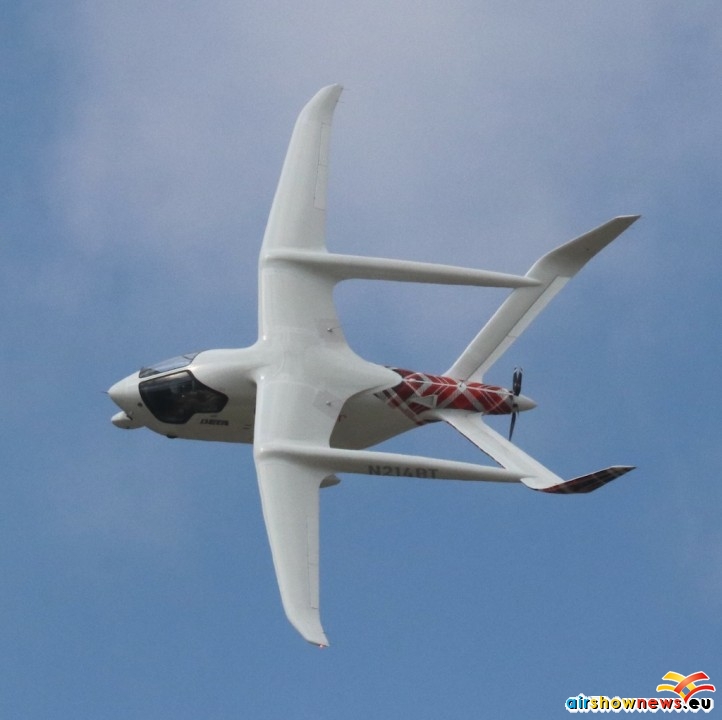
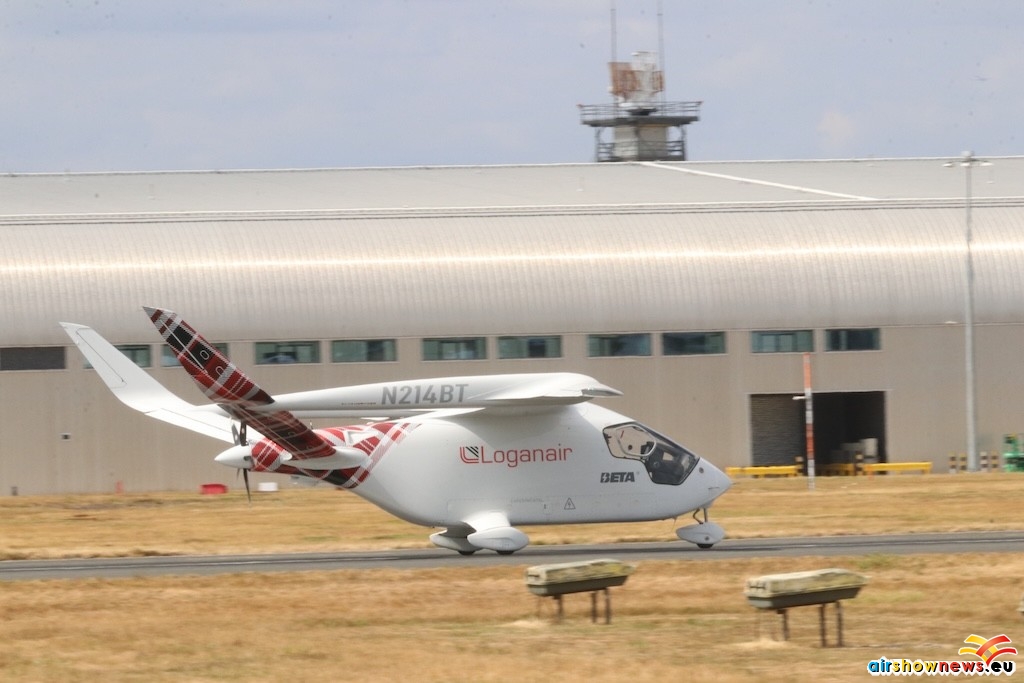
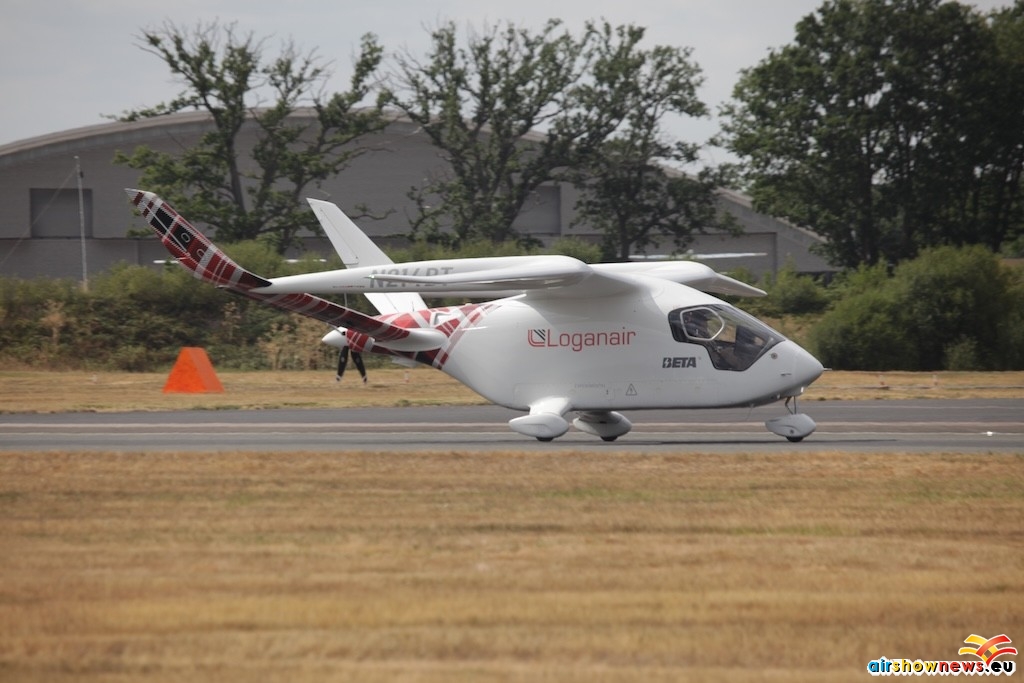
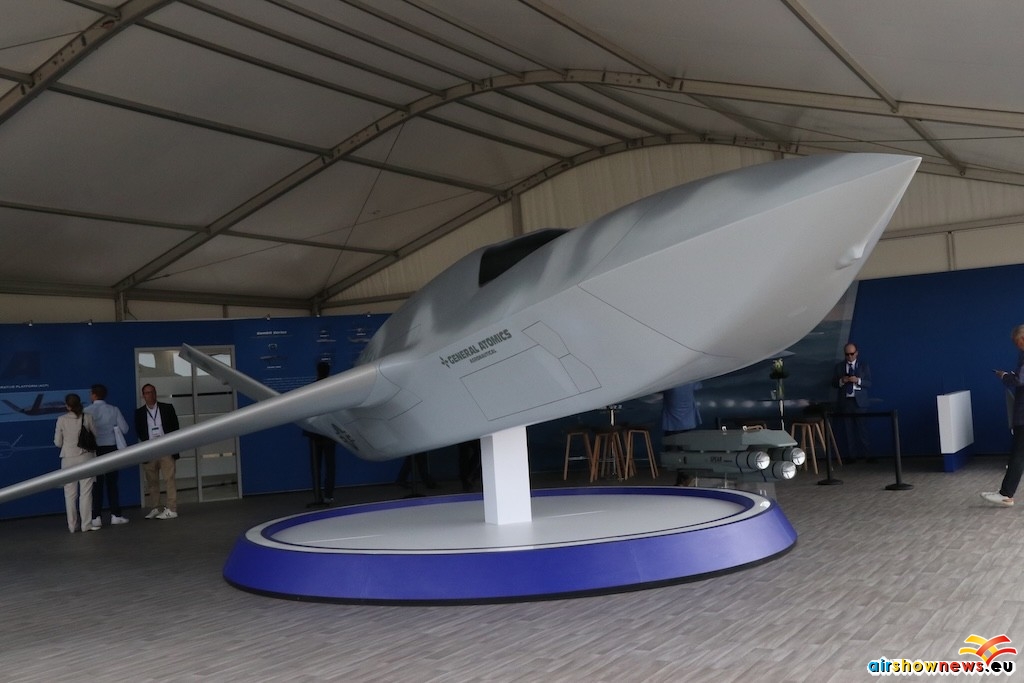
However, there were positive aspects at this year’s show. The evolution of electric power and lightweight composite materials brought some of those ‘ideas’ shown on display stands to life. Two civilian examples took to the air in almost silent flight. The Beta Alia CX300, designed and built in Burlington, Vermont uses conventional take-off and landing and is generating orders with regulatory bodies close to full approval for non-passenger operations. Loganair of Scottish Island fame plans to operate between Scottish Islands and both Amazon and UPS are seriously interested. A network of charging stations is spreading across the USA. A military, unmanned, design; the A250 was displayed in model form with many similar design characteristics.
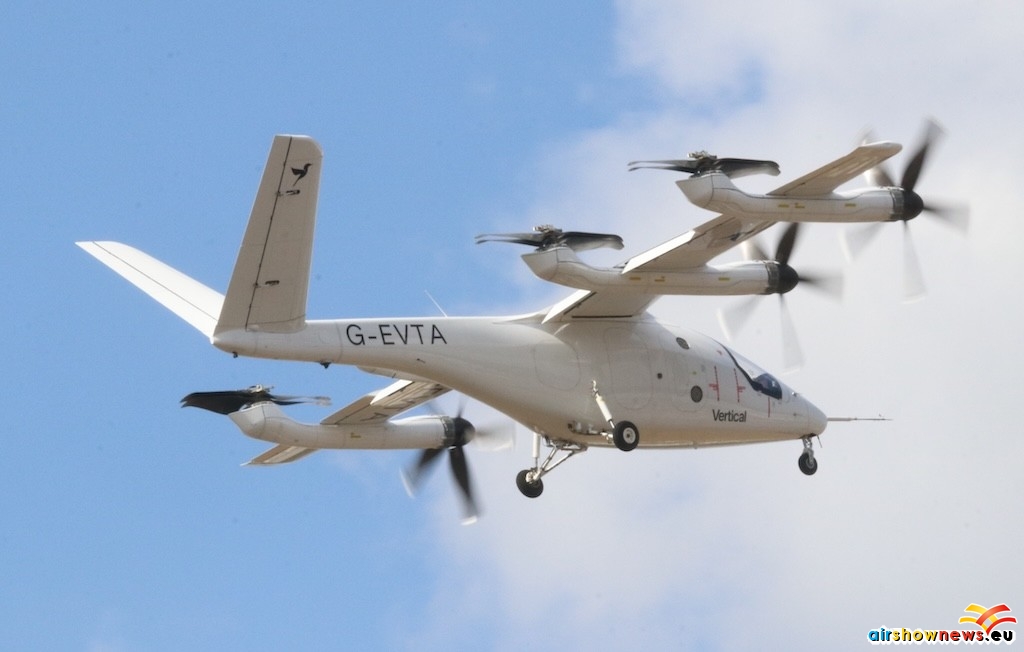
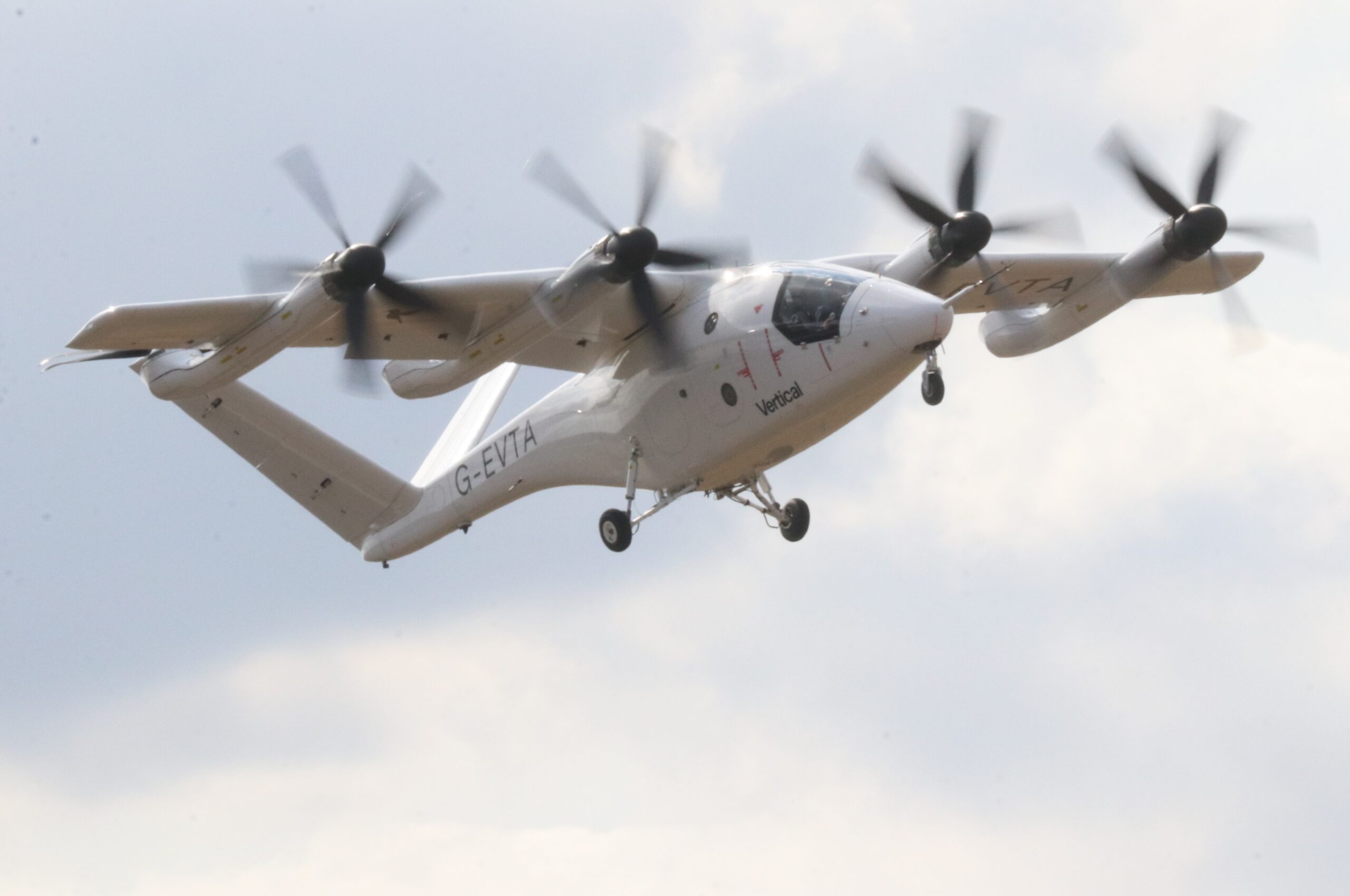
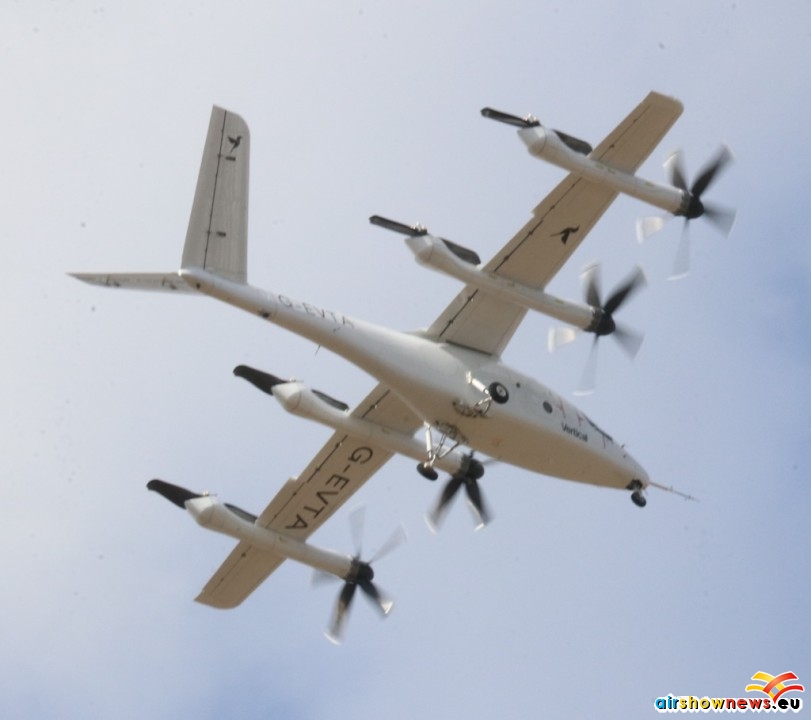
The other electric platform, this time home grown in Bristol and Cotswold Airport, Kemble by Vertical Aerospace is extremely impressive using vertical fans on the high wing trailing edge that can be stowed for horizontal flight and four tilt rotors on the leading edge. Although shown in a full display this is very much a proof of concept design looking to attract state funding to ensure full certification.
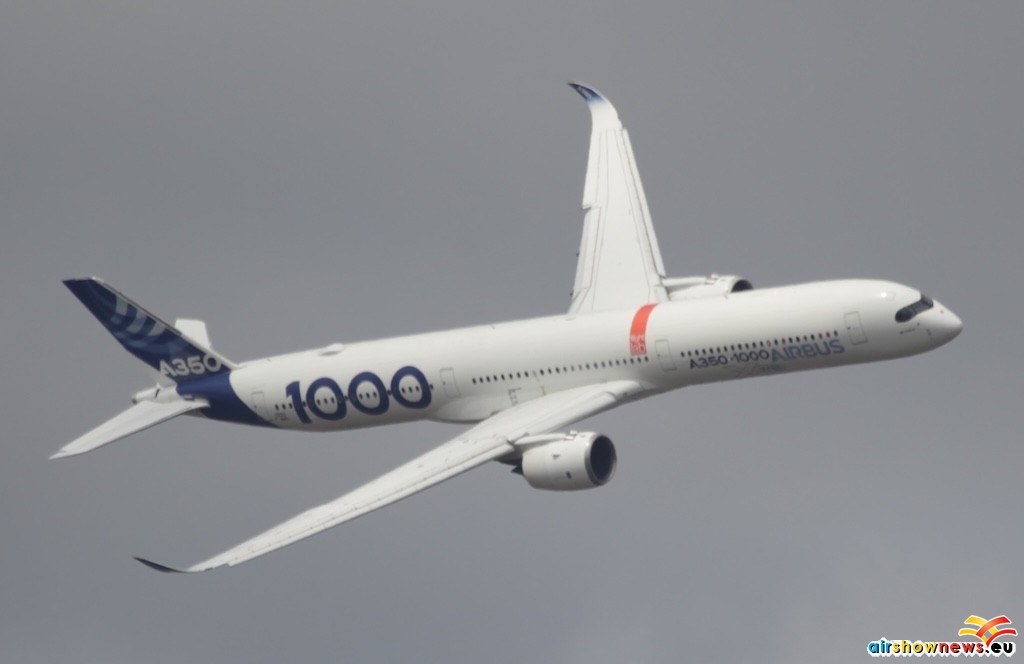
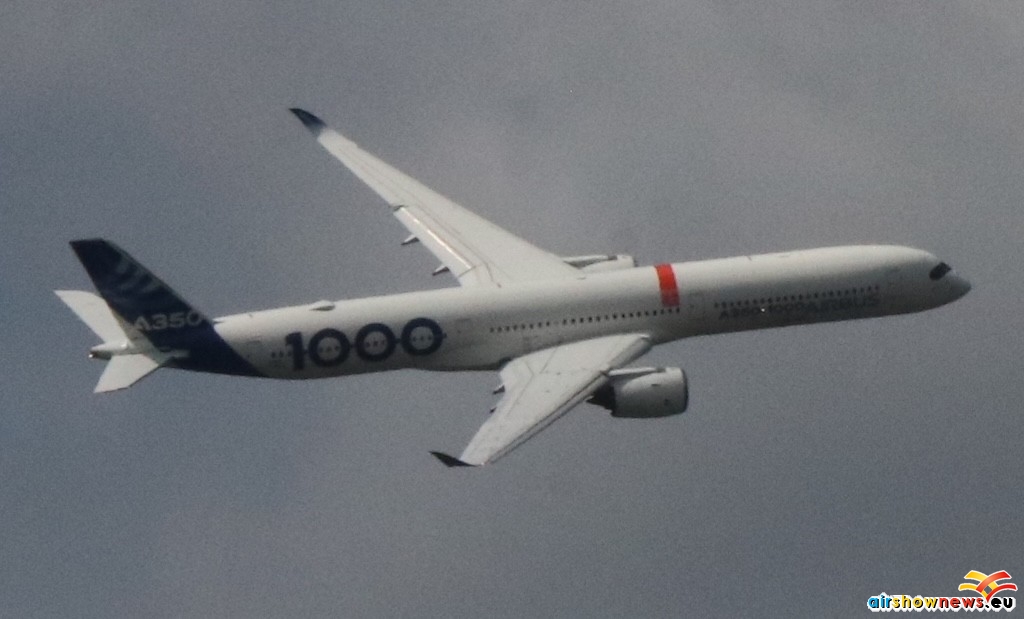
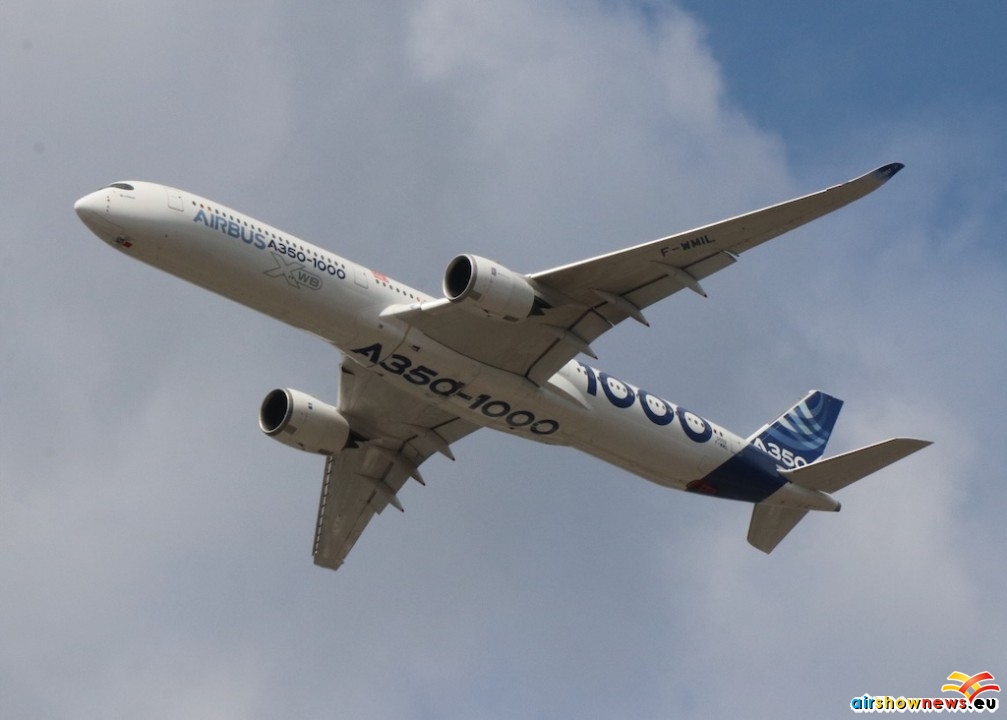
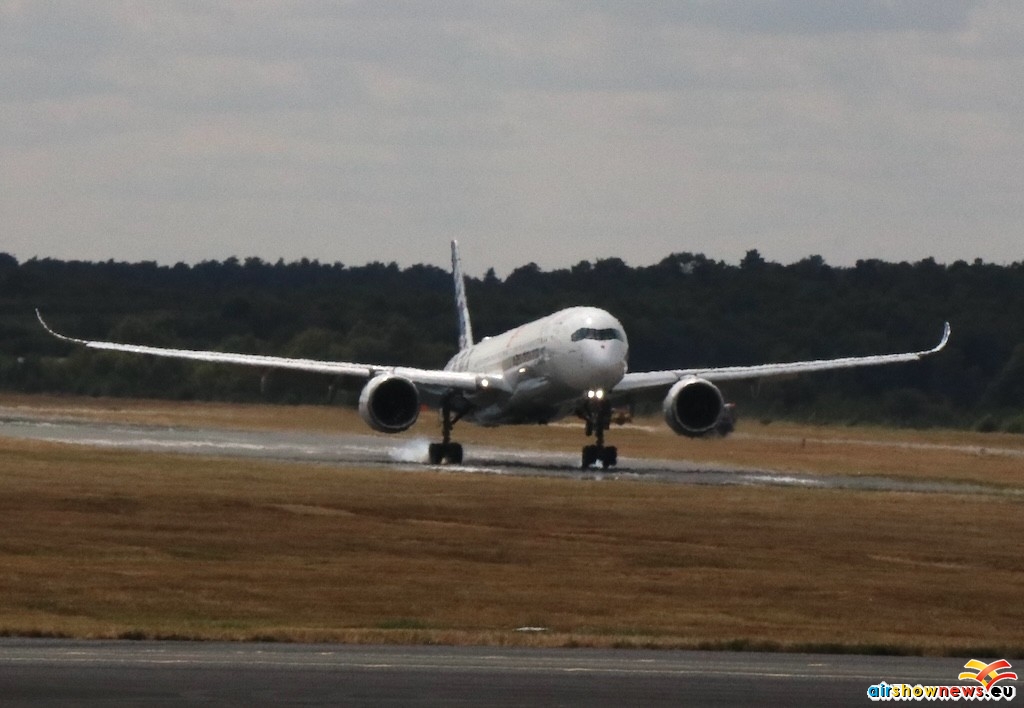
Although Boeing, Airbus and Embraer were present only the Airbus 350 1000 flew each day. This highly successful model showed incredible agility that would be seriously uncomfortable; even in first class. Already able to operate on 50% SAF it is highly likely that 100% is possible if only the planet’s high risers can facilitate sufficient supplies and competitive pricing. Following the show, an A350 1000 flew non-stop from Melbourne to Toulouse in 24 hrs 27 minutes. Blazing the way for passenger services from Sydney to London or New York.
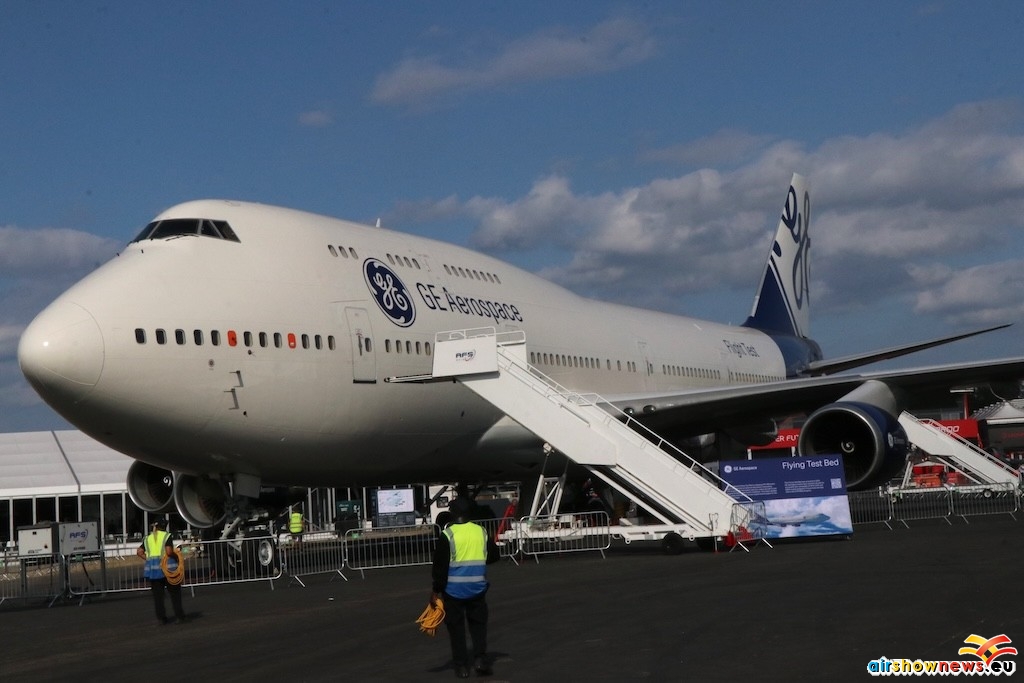
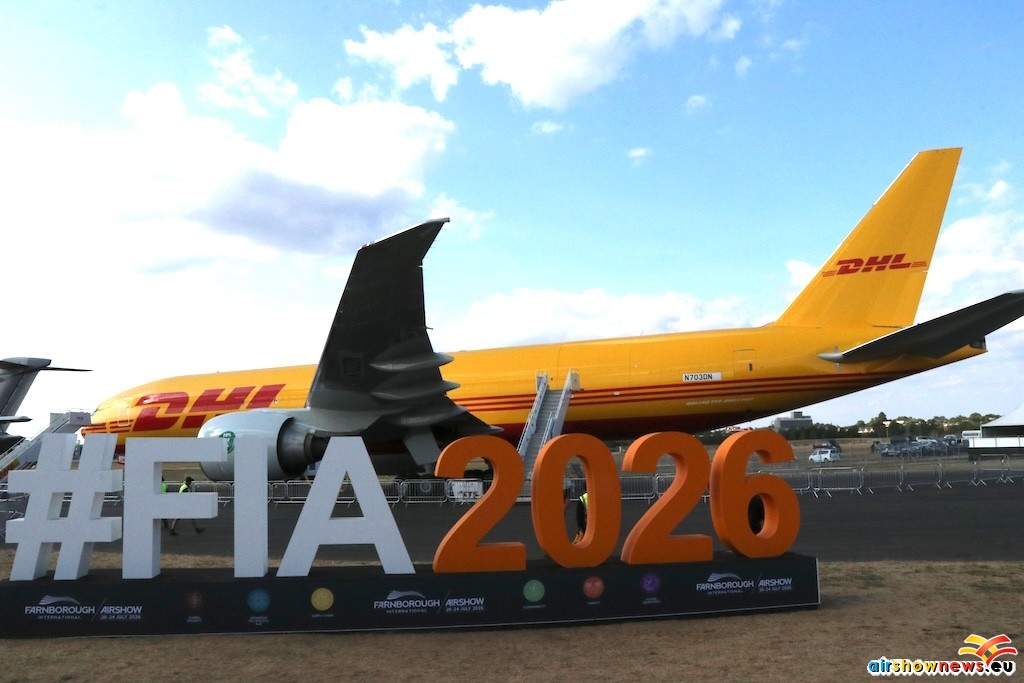
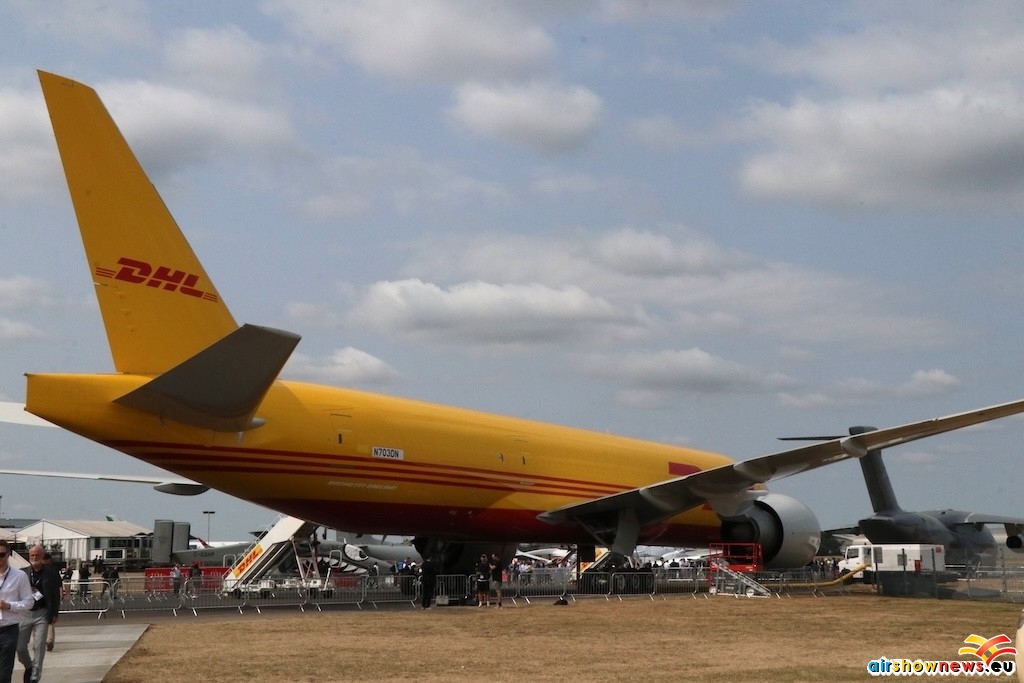
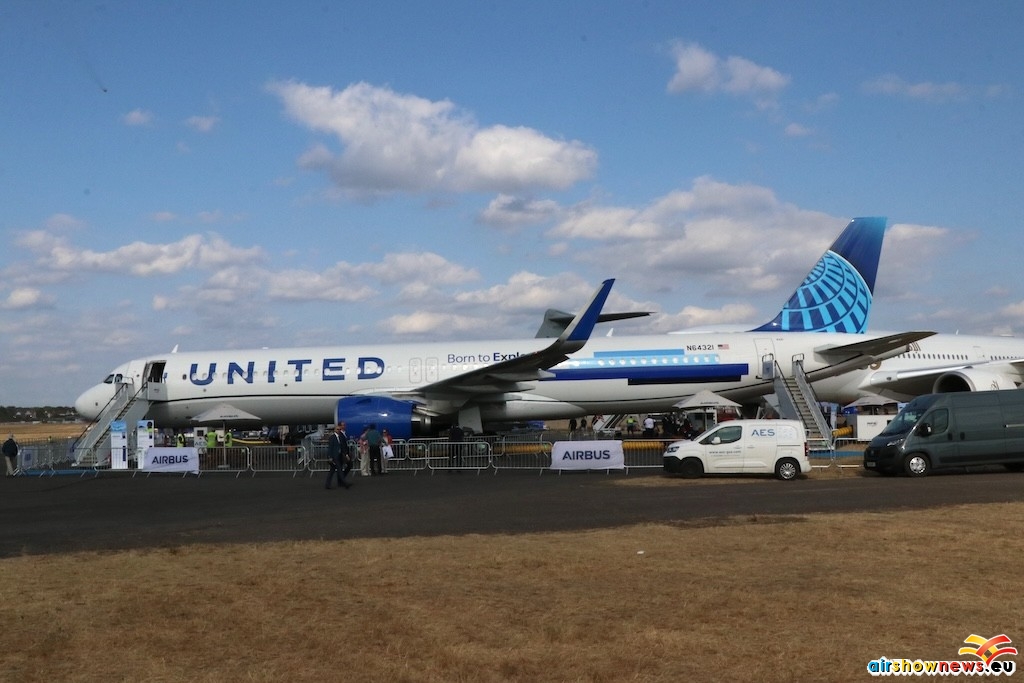
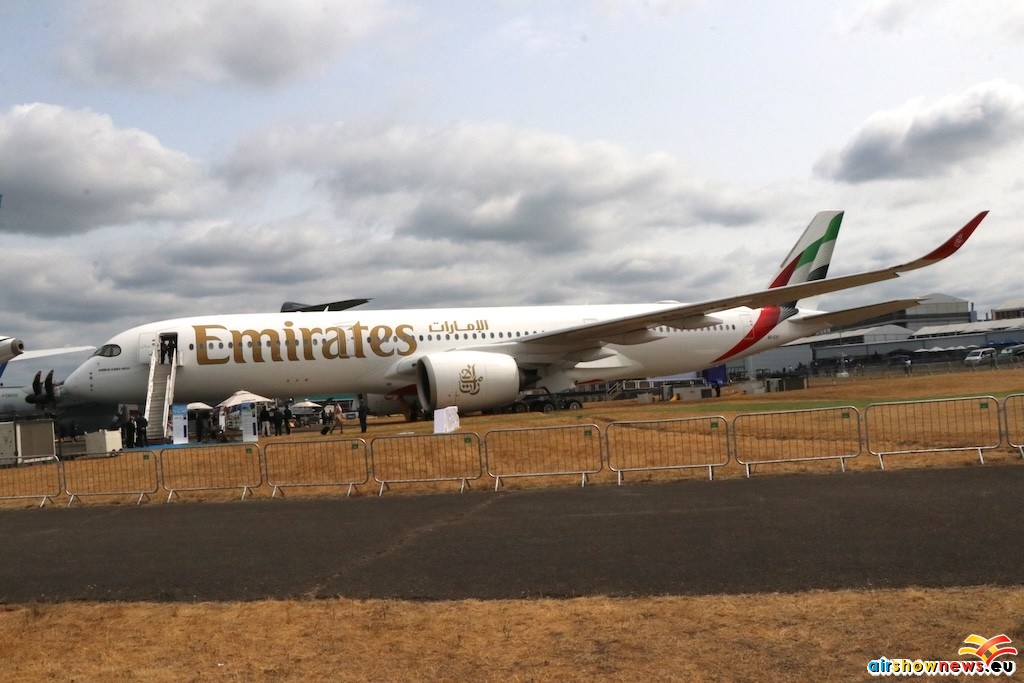
Boeing giants dominated the static park but the 737 MAX family were, once again, absent; with the newest variants still awaiting regulatory approval as orders mount, along with the troubled 777-9. Maybe all these will be showcased at Farnborough 28.
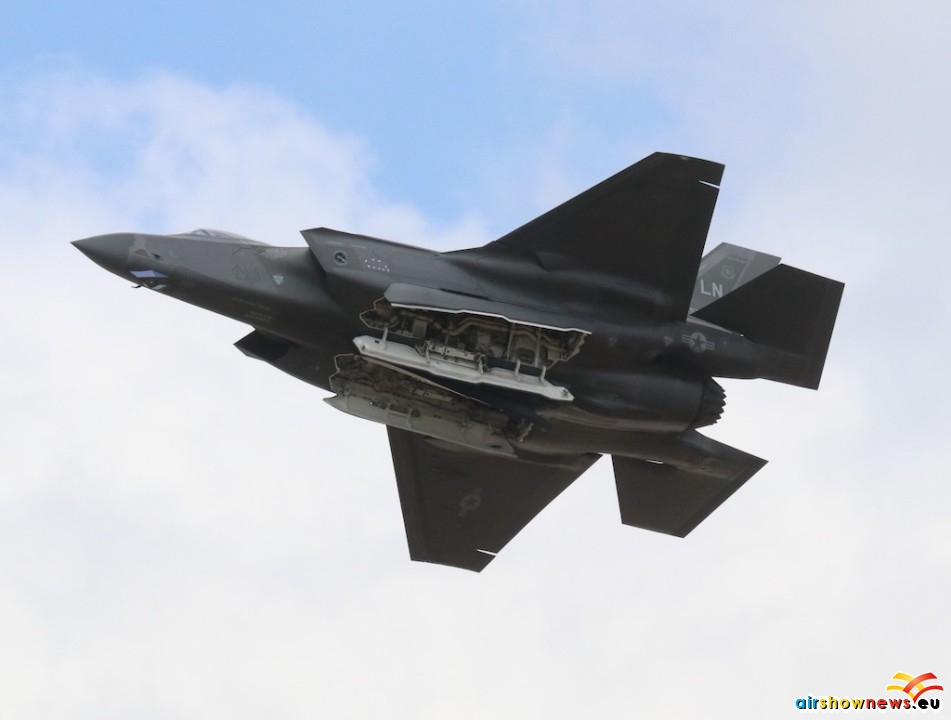
No show would be complete with some military noise. The United States sent a daily F-35 from the UK base at Lakenheath. This made numerous high-speed passes at high and low level. Examples of various unmanned concepts intended to expand operational capabilities were present in model form in the static display.
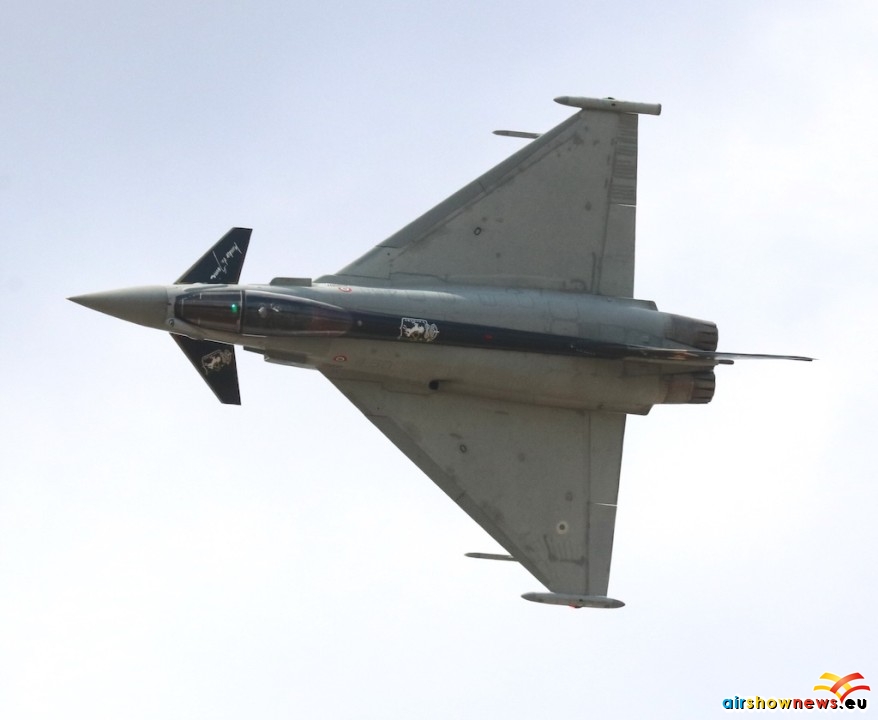
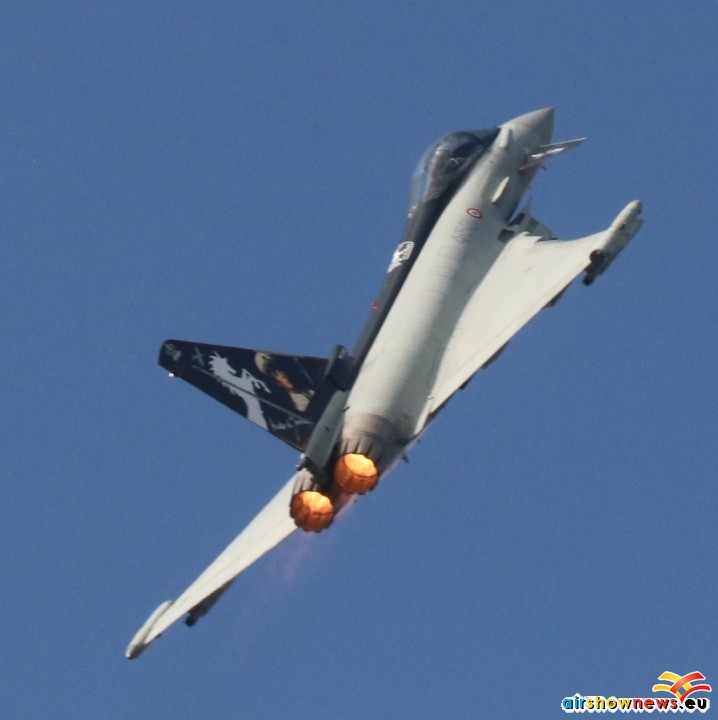
More maneuverability was demonstrated by the Italian Air Force with a Eurofighter Typhoon with sharp turns and steep climbs whilst staying within the compact display space enforced by ATC and local population centres. It is not surprising that this type is operated by Austria, Germany, Spain, Italy and the United Kingdom. The other interceptors/aggressors in Europe being the Rafale and Gripen. A Czech Gripen was present in the static display. The Italian Air Force also provided a C-27J and Aermacchi light jets for static display.
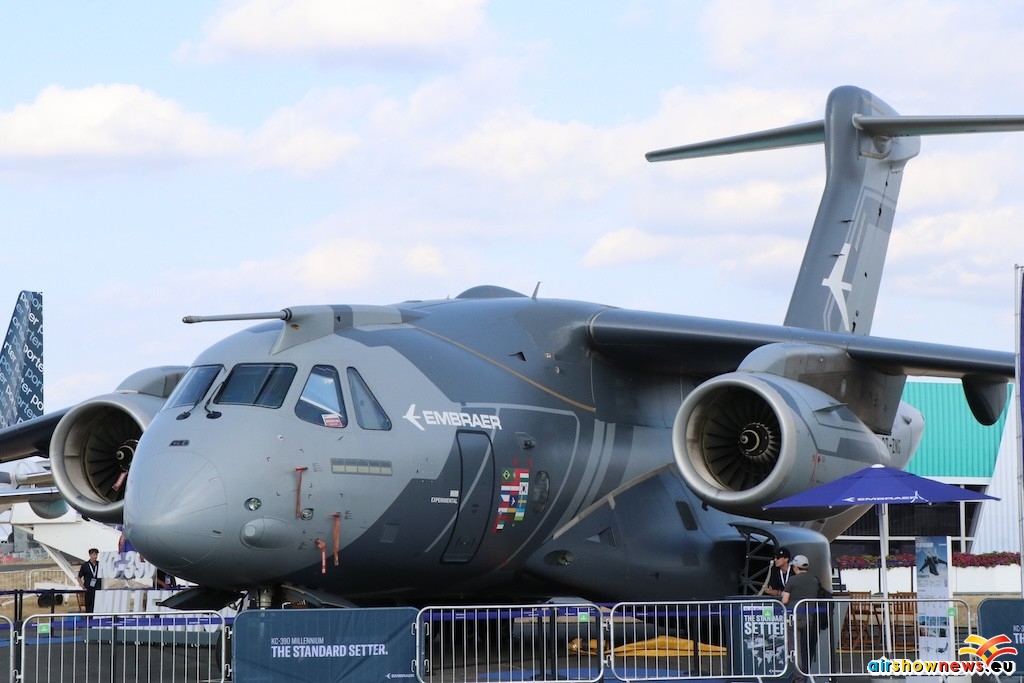
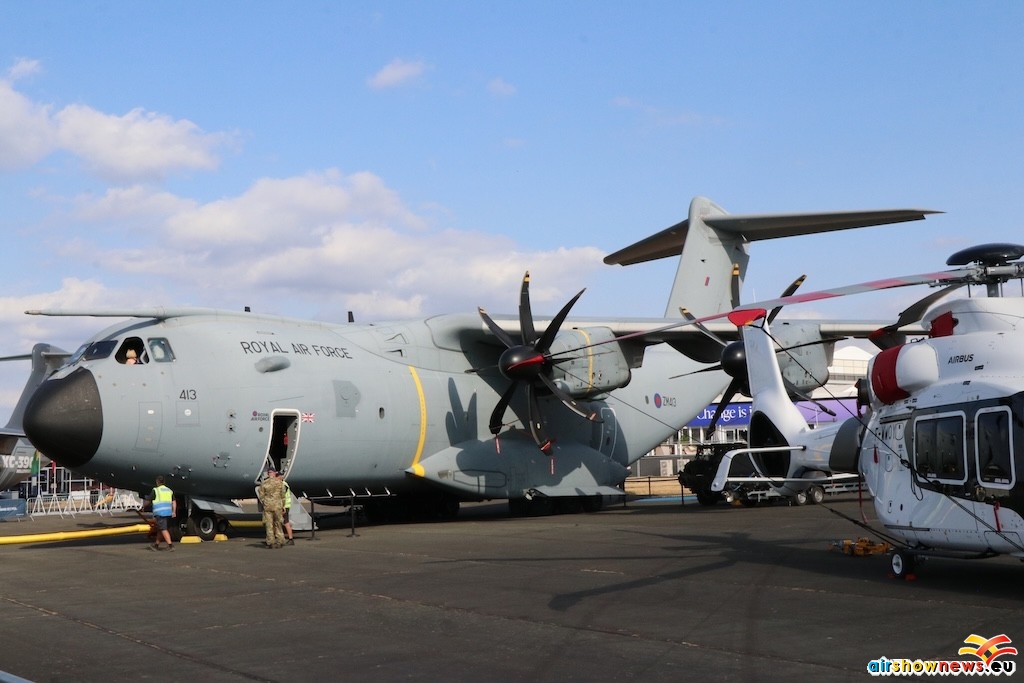
Brasil’s Embraer must now be considered a major player in both civil and military aviation. Initially focused on business jets the airliners now dominate the jet commuter market worldwide and the knowledge and experience gained has seen the global introduction of the C390 and KC390 transport aircraft. Nations without the budgets of the mega nations have accepted this ‘scaled down’ C-17 as ideal for transport operations. The Czech Air Force example in the static display, beside the lightweight L.159 trainer shows how a small fleet of transports can enhance the capabilities; given this summer’s extensive wild fires maybe a fire-flighting variant will see the light of day. Airbus’ A400M already being used to enhance the dedicated fleets of Canadairs, something the UK presently lacks.
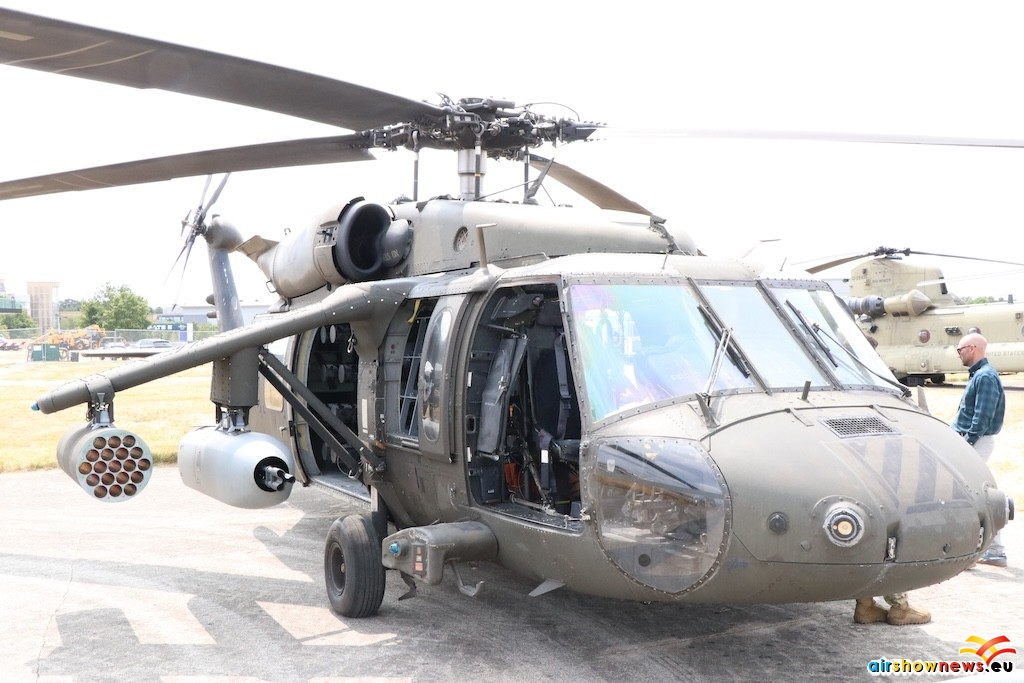
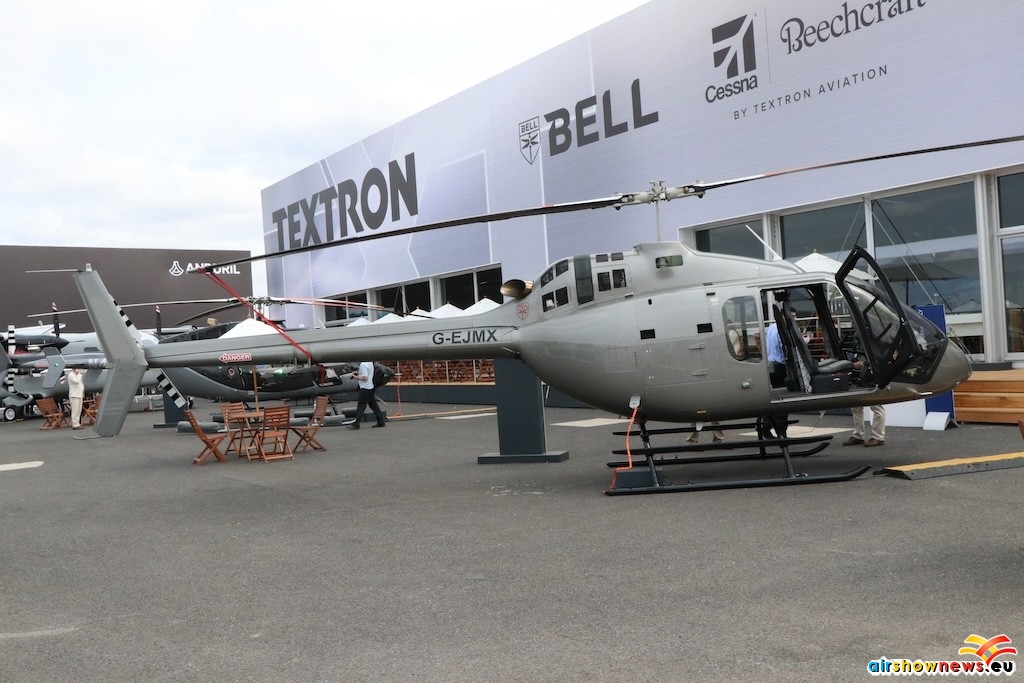
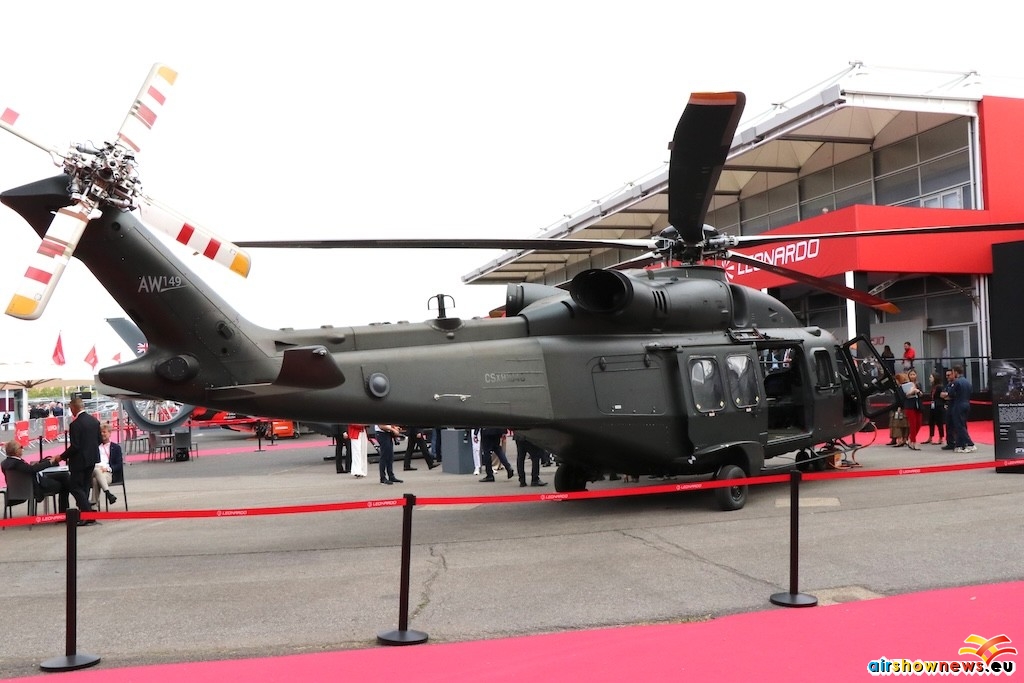
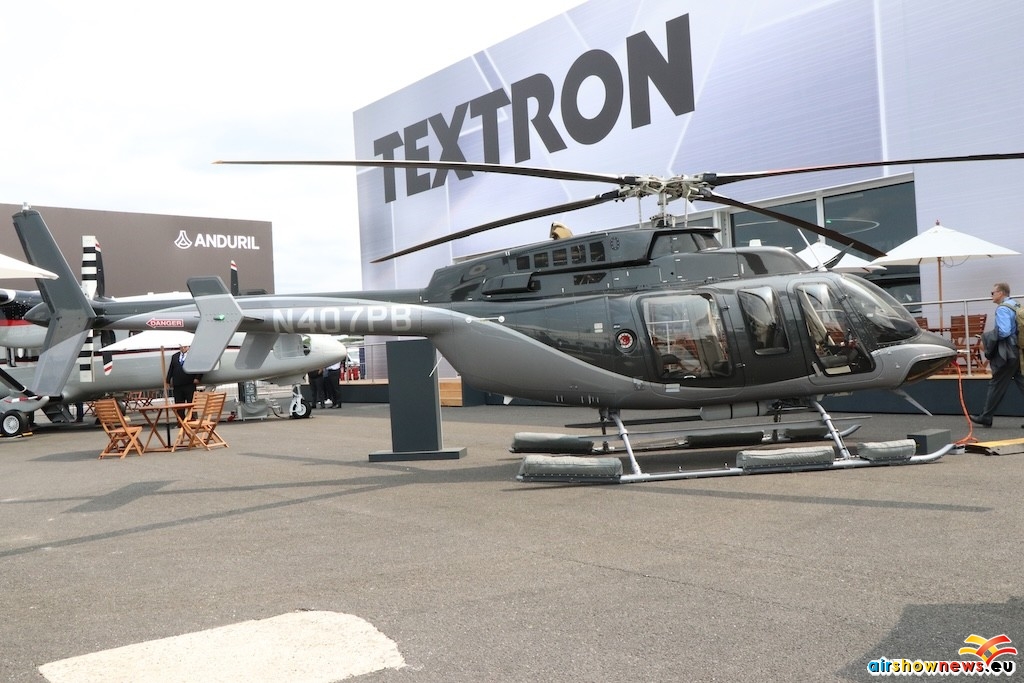
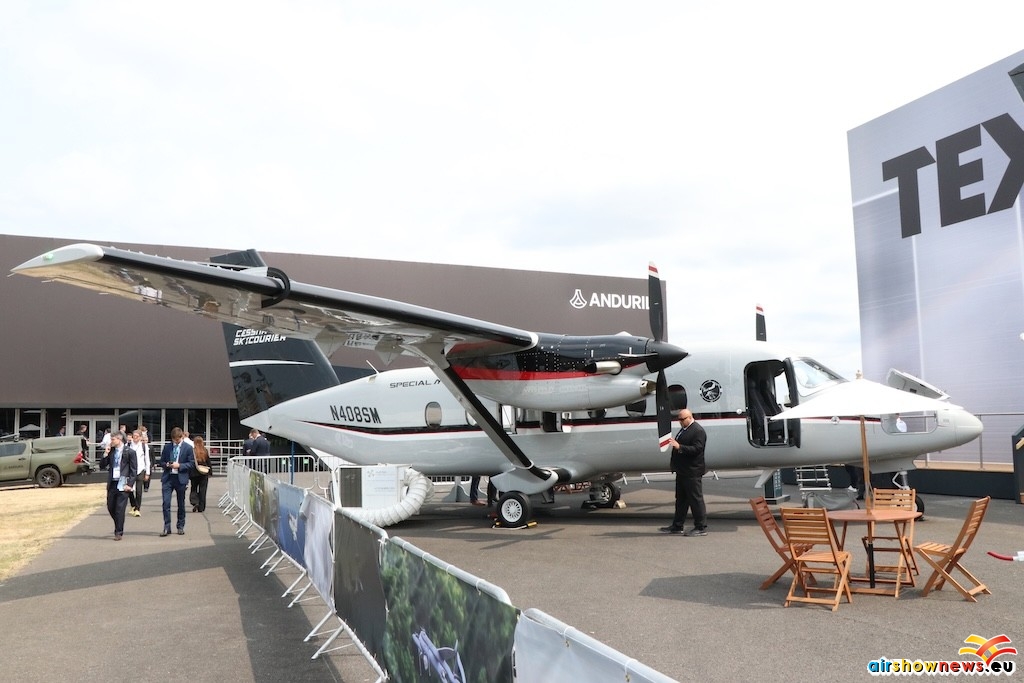
Leonardo hosted a selection of rotary types, including unmanned concepts. With the durable Boeing Chinook, from nearby RAF Odiham featuring it’s load-carrying ability whilst the US Army displayed a Chinook and Blackhawk with the Blackhawk showing an extensive armoury of internal and external weapons, slightly provocative given the current global situation. Also here was a Cessna 408, a twin development of the successful Caravan.
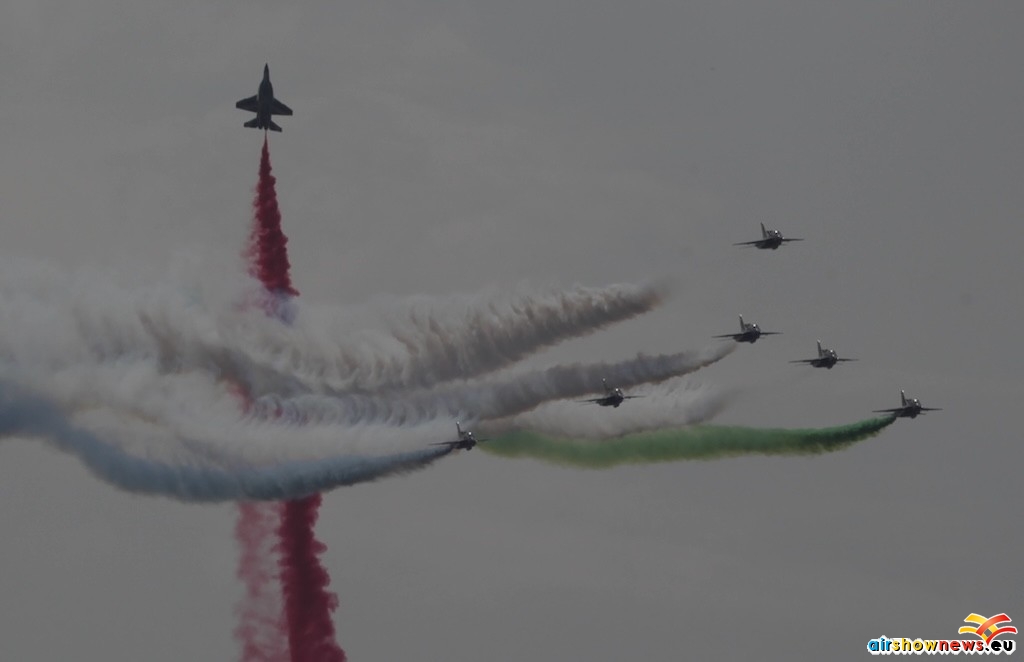
A surprise and very popular flight demonstration was provided by the Al Fursan display team from the UAE. Flying seven Hongdu L-15 jet trainers this was ‘lucky timing’. The team had been in the USA as part of the 250th Anniversary celebrations. Unlike many jet trainers, the L-15 can be air refuelled so a transatlantic stopover was arranged for the show. Despite a technical issue cancelling the Tuesday performance the other days featured some precise formation flying, with associated smoke, that probably stopped some of the business discussions.
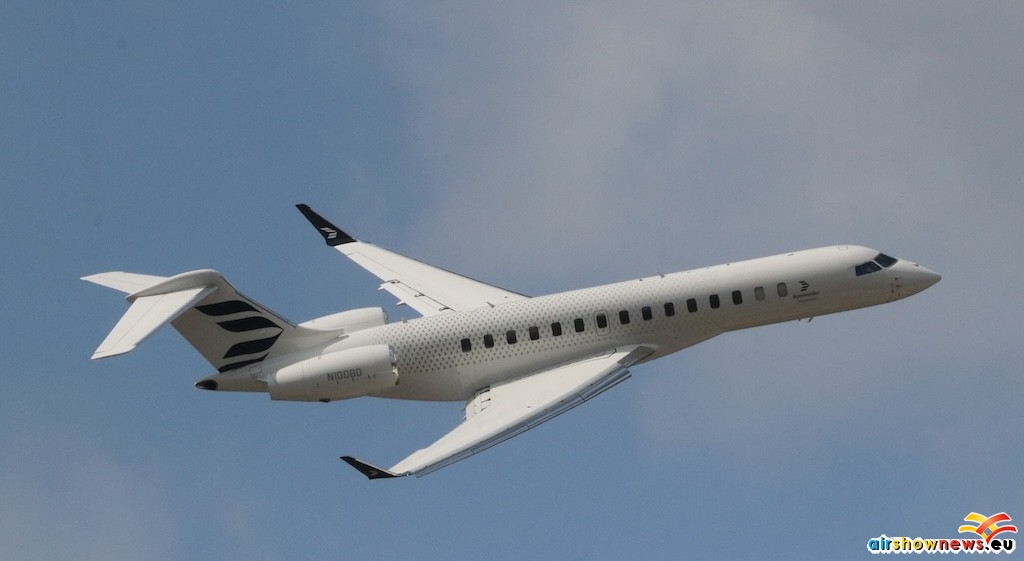
The final sector shown in the flying display was the Global 8000 business jet from Bombardier of Canada. This was thrown around the sky in a style at variance with the normal pattern at Farnborough; home of aviation history and a large active population of business aircraft great and small. With major Gulfstream and Bombardier facilities on the airfield flight operations did a good job of bracketing business movements before and after the airshow.